Bake Perfect Tsoureki: The Ultimate Greek Easter Bread Guide
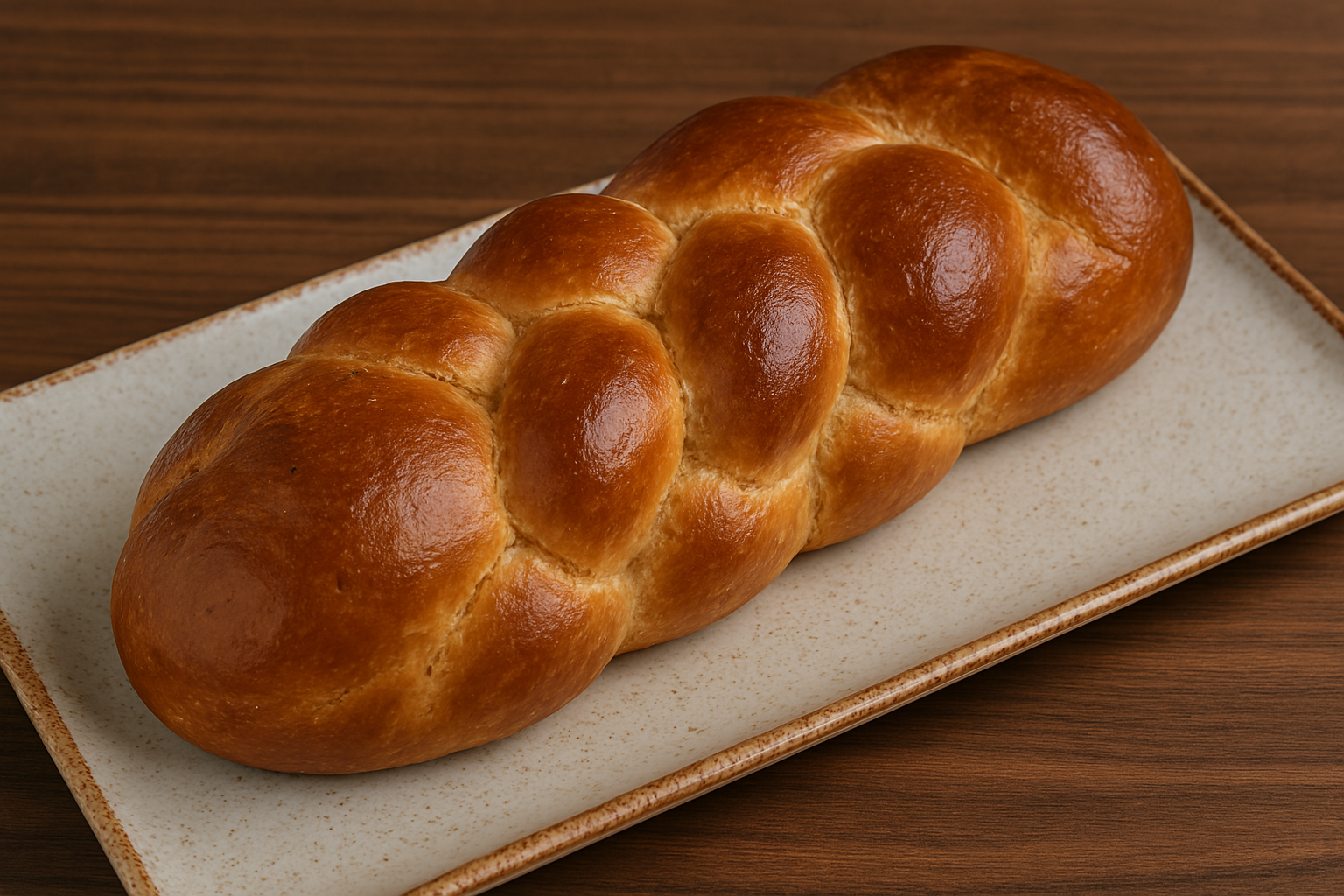
There are certain aromas that instantly transport you, evoking cherished memories and the warmth of tradition. For many, the sweet, spicy fragrance of Tsoureki, the quintessential Greek Easter bread, is one such powerful sensory experience. Imagine a bread that is not only visually stunning with its golden, braided form but also incredibly soft, fluffy, and possesses a unique stringy texture when torn. If you haven't yet indulged in this culinary delight, prepare to discover a truly exceptional treat that embodies the spirit of Greek Easter.
While Tsoureki holds a special place in Easter celebrations, where its three braids traditionally symbolize the Holy Trinity, its allure extends far beyond the holiday. This delicious sweet bread is cherished year-round, making an ideal companion for a mid-day snack, a delightful breakfast, or a comforting partner to your tea or coffee. Often shrouded in the myth of being challenging to master, especially for novice bakers, this guide aims to demystify the process and equip you with the knowledge to bake your perfect Tsoureki recipe from your very first attempt.
The Heart of Tsoureki: Unveiling Its Unique Aromatic Secret
What truly elevates Tsoureki from a simple sweet bread to an unforgettable culinary experience are its signature aromatic spices: mastic and mahlab (also known as mahlepi). These aren't just any spices; they are the soul of the traditional Greek Easter bread, imbuing it with a distinct, rich, and full flavor profile that is instantly recognizable.
Mastic, an aromatic resin derived from the mastic tree primarily found on the Greek island of Chios, offers a subtle pine-like, slightly floral, and uniquely refreshing aroma. It's often sold as small, translucent "tears" and needs to be ground into a fine powder before use. Mahlab, on the other hand, comes from the ground kernels of sour cherry pits. It boasts a warm, nutty, and slightly bitter-almond flavor with hints of cherry, a truly complex and intriguing spice.
When these two spices mingle within the dough and begin to bake, their intense aromas permeate the air, creating an inviting atmosphere that is deeply nostalgic for those who grew up with Tsoureki. Sourcing these essential ingredients is crucial for an authentic taste. You can typically find high-quality mastic and mahlab at Greek specialty grocers or through various online retailers. While substitutions might offer a pleasant sweet bread, they simply won't capture the true essence of traditional Tsoureki. For a deeper dive into these fascinating spices, explore Tsoureki's Secret: Mastic & Mahlab for Authentic Flavor.
Mastering the Tsoureki Dough: Consistency is Key
The journey to a perfect Tsoureki begins with the dough. Dismiss the notion that baking this Greek Easter bread is beyond your capabilities. The secret lies not in advanced culinary degrees, but in following a well-tested Tsoureki recipe and understanding a few fundamental principles.
One of the most defining characteristics of an exceptional Tsoureki is its incredible softness and, crucially, its "stringy" texture when you gently pull it apart. This coveted quality is a direct result of proper gluten development, which begins with your choice of flour. For this reason, always opt for extra strong white bread flour with a high protein content, ideally around 13% or more. The higher protein content means more gluten, which forms the elastic network essential for the bread's structure, rise, and that beautiful, characteristic stringiness.
A common pitfall for many first-time Tsoureki bakers is the temptation to add too much flour. When you first mix the dough, it will feel noticeably sticky – this is perfectly normal and desired! Resist the urge to keep adding flour until it's completely non-sticky. Over-flouring will inevitably lead to a dense, heavy bread, stripping it of its signature fluffiness. After an initial kneading period (around 15 minutes, often by hand or with a stand mixer), if the dough is still excessively sticky, you can add a tiny bit more flour, but do so sparingly and incrementally. Trust the process; a slightly sticky dough is the foundation for a truly soft and airy Tsoureki.
Proofing for Perfection: The Art of the Rise
Proofing, the process where yeast ferments and causes the dough to rise, is arguably the most critical stage in achieving a light and airy Tsoureki. Success here hinges on three vital elements: the right temperature, active yeast, and sufficient time. Neglect any of these, and your bread might not reach its full, fluffy potential.
- Room Temperature Ingredients: Before you even begin mixing, ensure all your ingredients – milk, eggs, butter, and even the flour – are at room temperature. Cold ingredients can shock the yeast, slowing down or even inhibiting its activity.
- Active Yeast is Paramount: Always check the expiry date of your yeast. If you're unsure, "proof" it by dissolving it in a small amount of warm (not hot!) liquid with a pinch of sugar. If it foams within 5-10 minutes, it's active and ready to go.
- The Ideal Environment: Yeast thrives in warmth and humidity, but it detests drafts. Find a warm, draft-free spot in your kitchen for the dough to rise. This could be a slightly warmed oven (turned off!), a sunny spot, or even a countertop covered with a damp cloth. Some clever bakers even use their laundry room or bathroom if it's warm and humid!
- Patience is a Virtue: Don't rush the rising process. Tsoureki dough often requires two proofs: an initial bulk fermentation after kneading, and a second, shorter rise after shaping. The time required can vary based on ambient temperature, but typically expect 1.5 to 3 hours for the first rise, until the dough has doubled in size. The second rise will be quicker. Under-proofed dough will be dense, while over-proofed dough can collapse during baking, so observation is key.
For more detailed insights into optimizing your dough's rise, consult Achieve Fluffy Tsoureki: Expert Tips for Greek Easter Bread.
Shaping and Baking: The Final Touches for a Golden Masterpiece
Once your dough has successfully risen, it's time to transform it into the beautiful braided loaves that are characteristic of Tsoureki. The traditional three-strand braid is not only aesthetically pleasing but also symbolic. Divide your dough into equal portions, then each portion into three strands. Roll these strands gently, maintaining an even thickness, and then braid them loosely, tucking the ends underneath to create a neat finish. Don't pull too tightly, as the dough still needs room to expand during its final proof and in the oven.
After shaping, allow your braided loaves to undergo a second, shorter rise. This brief proof helps them relax and become even airier. Before baking, a crucial step for that signature rich, golden-brown crust is the egg wash. A simple whisked egg, sometimes diluted with a touch of milk or water, brushed gently over the surface, will give your Tsoureki a beautiful sheen. For an added touch of texture and flavor, many choose to sprinkle their Tsoureki with toasted sesame seeds or slivered almonds.
Baking temperature and time are vital. A moderately hot oven helps the bread rise quickly and evenly, ensuring a soft interior and a perfectly browned exterior. Keep an eye on your Tsoureki as it bakes; if it starts browning too quickly, you can loosely tent it with foil. The aroma filling your kitchen will be your ultimate reward, promising a delicious outcome.
A Sweet Tradition Worth Embracing
Baking Tsoureki is more than just following a recipe; it's an experience that connects you to a rich cultural heritage and brings immense satisfaction. From the careful selection of unique spices like mastic and mahlab to understanding the nuances of dough consistency and the art of proofing, each step contributes to the creation of a truly magnificent bread. While it might seem intricate, with the right guidance and a bit of patience, you'll be tearing into your own soft, stringy, and incredibly fragrant Greek Easter bread in no time. So, gather your ingredients, embrace the process, and prepare to bake perfect Tsoureki, a sweet tradition that will undoubtedly become a cherished part of your culinary repertoire.