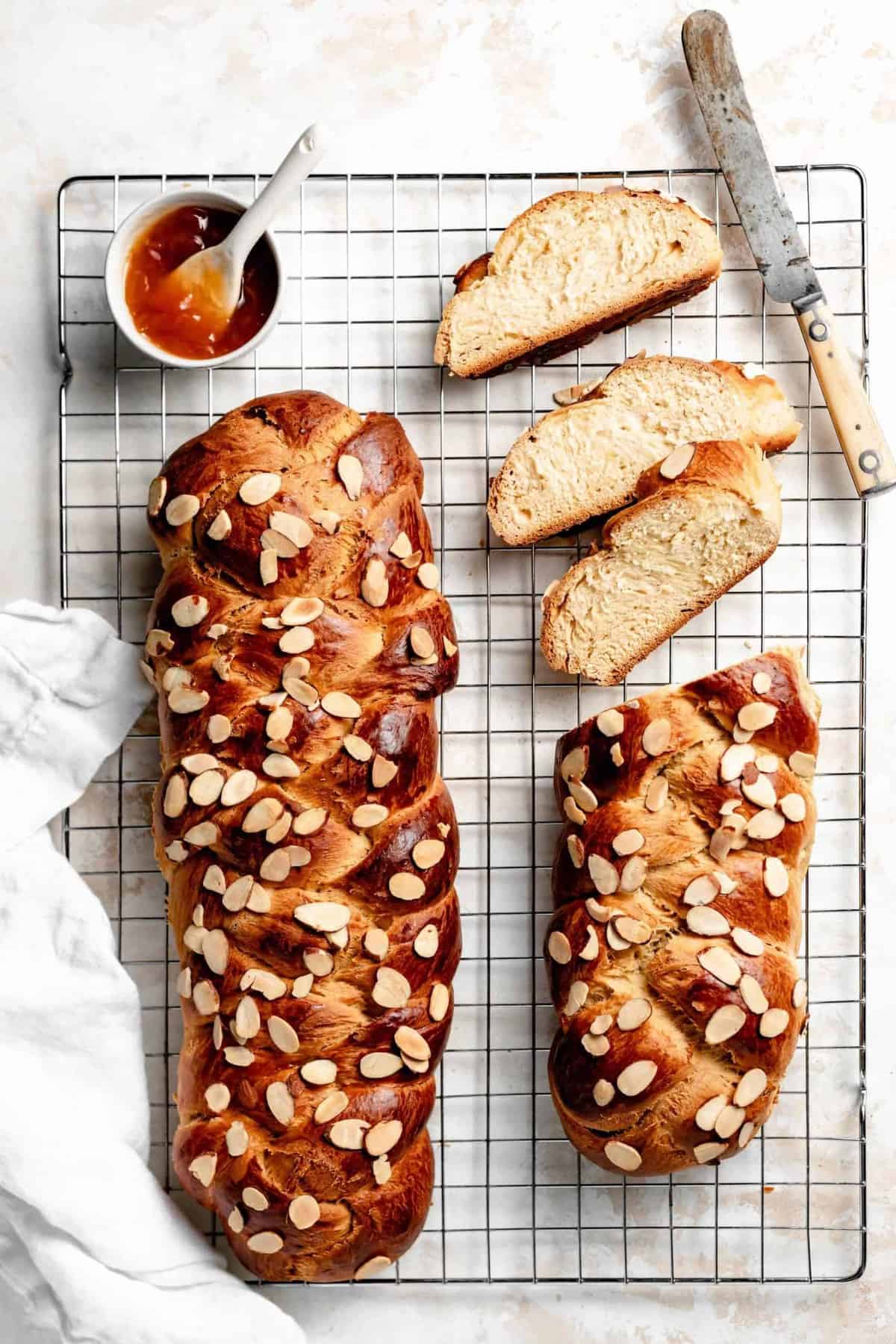
Achieve Fluffy Tsoureki: Expert Tips for Greek Easter Bread
There are few aromas as captivating and evocative as that of freshly baked Tsoureki wafting through your home. This traditional Greek Easter bread is more than just a sweet treat; it's a symbol of spring, renewal, and the rich tapestry of Greek tradition. With its signature soft, fluffy interior, beautiful golden-brown crust, and uniquely stringy texture, Tsoureki is an experience in itself. While traditionally gracing tables during Orthodox Easter – its three braids often symbolizing the Holy Trinity – its irresistible charm has made it a beloved companion for coffee, tea, or a delightful snack year-round. Many home bakers find the prospect of achieving that perfect, airy Tsoureki daunting, but we're here to demystify the process and share expert tips for a no-fail
Tsoureki Recipe that yields truly exceptional results, even on your first attempt.
Unlocking the Signature Flavors of Tsoureki
What truly sets Tsoureki apart from other sweet breads is its distinctive and profound aromatic profile. This full, rich flavor comes from two essential aromatic spices: mastic and mahlab. These aren't just additions; they are the heart and soul of authentic Greek Easter bread, creating a sensory experience that instantly transports many Greeks back to cherished childhood memories.
*
Mastic (Masticha): Hailing exclusively from the Greek island of Chios, mastic is a resin known for its unique pine-like, slightly sweet, and woody aroma. It's often sold as small "tears" which need to be finely ground before use. Its delicate yet persistent flavor is unmistakable and adds an exotic depth to the bread.
*
Mahlab (Mahlepi): This spice is derived from the ground pits of St. Lucie cherries. Mahlab offers a warm, slightly bitter, and almond-like fragrance, reminiscent of marzipan or cherry pits. It complements the mastic beautifully, creating a complex and comforting aroma.
To truly capture the essence of this Greek Easter bread, sourcing high-quality, freshly ground mastic and mahlab is paramount. While readily available at Greek grocers, you can also easily find them online. Opt for whole mastic tears and mahlab seeds if possible, and grind them yourself just before use for the most intense and authentic flavor. This fresh approach will ensure your homemade Tsoureki boasts the characteristic taste and smell that makes it so uniquely Greek. For a deeper dive into these unique ingredients, explore
Tsoureki's Secret: Mastic & Mahlab for Authentic Flavor.
Crafting the Perfect Tsoureki Dough: A Step-by-Step Approach
The secret to that coveted soft, stringy texture lies primarily in the dough itself. While some may perceive making Tsoureki as a culinary challenge, understanding the nuances of the dough is the real game-changer. It's less about innate skill and more about adhering to the right
Tsoureki Recipe and understanding the science behind it.
The most critical ingredient for achieving Tsoureki's characteristic "stringy" tear is the right flour. You'll want to use
extra strong white bread flour. The key here is its high gluten (protein) content. When purchasing flour, always check the nutritional label for protein percentages; aim for flour with at least 13% protein. This high protein content is vital for two main reasons:
- Structural Integrity: It helps the dough develop a strong gluten network, which in turn allows the Tsoureki to hold its shape beautifully once baked.
- The Stringy Texture: The robust gluten strands are what give Tsoureki its amazing elasticity and the ability to stretch and pull apart in those delightful long fibers when torn by hand.
A common pitfall for novice Tsoureki bakers is the urge to add too much flour. When first mixed, Tsoureki dough will feel quite sticky, and this is perfectly normal and desirable! Resist the temptation to continually add more flour to make it less sticky. Excess flour will drastically alter the dough's consistency, leading to a dense, dry bread that lacks the signature fluffiness you're striving for. After kneading for the recommended 15 minutes (or as specified in your chosen
Tsoureki Recipe), the dough should still be slightly tacky, but manageable. Only if it remains exceptionally wet and impossible to handle after thorough kneading should you consider adding a tiny bit more flour, a tablespoon at a time, until it's just workable. Trust the process; a slightly sticky dough is the secret to a beautifully soft and fluffy Tsoureki.
The Art of Proofing: Ensuring an Impressive Rise
Beyond the ingredients and kneading, the success of a truly fluffy Tsoureki hinges significantly on proper proofing. This process, where the yeast works its magic, requires a delicate balance of temperature, active yeast, and adequate time.
Firstly, ensure all your ingredients are at
room temperature before you begin mixing. Cold ingredients can shock the yeast, slowing down or even inhibiting its activity. Warm milk, eggs, and butter will create an ideal environment for the yeast to become active and start fermenting efficiently, leading to a quicker and more consistent rise.
Secondly, always verify that your
yeast is active. If using dry active yeast, you can proof it by dissolving it in a small amount of warm milk (not hot!) with a pinch of sugar for 5-10 minutes. If it becomes foamy, it's alive and ready to go. If not, discard it and get new yeast.
Finally, creating the right proofing environment is crucial. Tsoureki dough thrives in a
warm, draft-free place. A good temperature range for proofing is between 75-85°F (24-30°C). Here are a few reliable methods to achieve this:
- Oven Method: Turn your oven on to its lowest setting (or just the oven light) for a few minutes, then turn it off. Place your covered dough bowl inside the warm, turned-off oven.
- Warm Water Bath: Place your covered dough bowl inside a larger bowl or sink filled with warm water (ensure no water gets into the dough).
- Sunny Spot: On a warm, sunny day, a windowsill can work wonders, just make sure it's not too hot as excessive heat can over-proof the dough or kill the yeast.
Allow your dough ample time to rise. This typically means allowing it to double in size, which can take anywhere from 1.5 to 3 hours for the first rise, depending on the warmth of your environment and the potency of your yeast. Patience during this stage is key to achieving that wonderful airiness and light texture.
Beyond the Basics: Shaping, Glazing, and Baking for Perfection
Once your dough has successfully risen, the final steps transform it into the beautiful Tsoureki we know and love. Shaping the dough into its iconic braids is not just aesthetic; it allows for even baking and contributes to the bread's texture. The traditional three-strand braid symbolizes the Holy Trinity, adding to the bread's significance. For a smooth, even, and beautifully shiny golden-brown crust, an egg wash is essential. A simple mixture of egg yolk and a touch of milk or water brushed over the braided dough before baking will achieve this.
Baking Tsoureki requires careful attention to temperature and time. A moderately hot oven allows the bread to continue rising (oven spring) before the crust sets, contributing to its overall fluffiness. Monitor your Tsoureki closely; you want a deep golden-brown exterior that is soft to the touch, not hard or brittle. Over-baking can lead to a dry bread, while under-baking can result in a doughy interior. A gentle tap on the bottom should sound hollow, indicating it's cooked through.
The journey to making a perfect, fluffy Tsoureki is a rewarding one, steeped in tradition and rich with sensory delights. By understanding the importance of unique aromatic spices like mastic and mahlab, selecting the right high-protein flour, carefully managing dough consistency, and mastering the art of proofing, you are well on your way to baking a Greek Easter bread that will impress and satisfy. Every step, from the mixing of ingredients to the final golden loaf emerging from the oven, is an act of creation and a connection to centuries of Greek culinary heritage. Embrace the process, trust in the tips, and prepare to enjoy the most fragrant, soft, and utterly delicious Tsoureki you've ever tasted. This
Tsoureki Recipe is your guide to a truly memorable culinary experience.